AI & Automation in CS
Retention & ChurnCS Operations
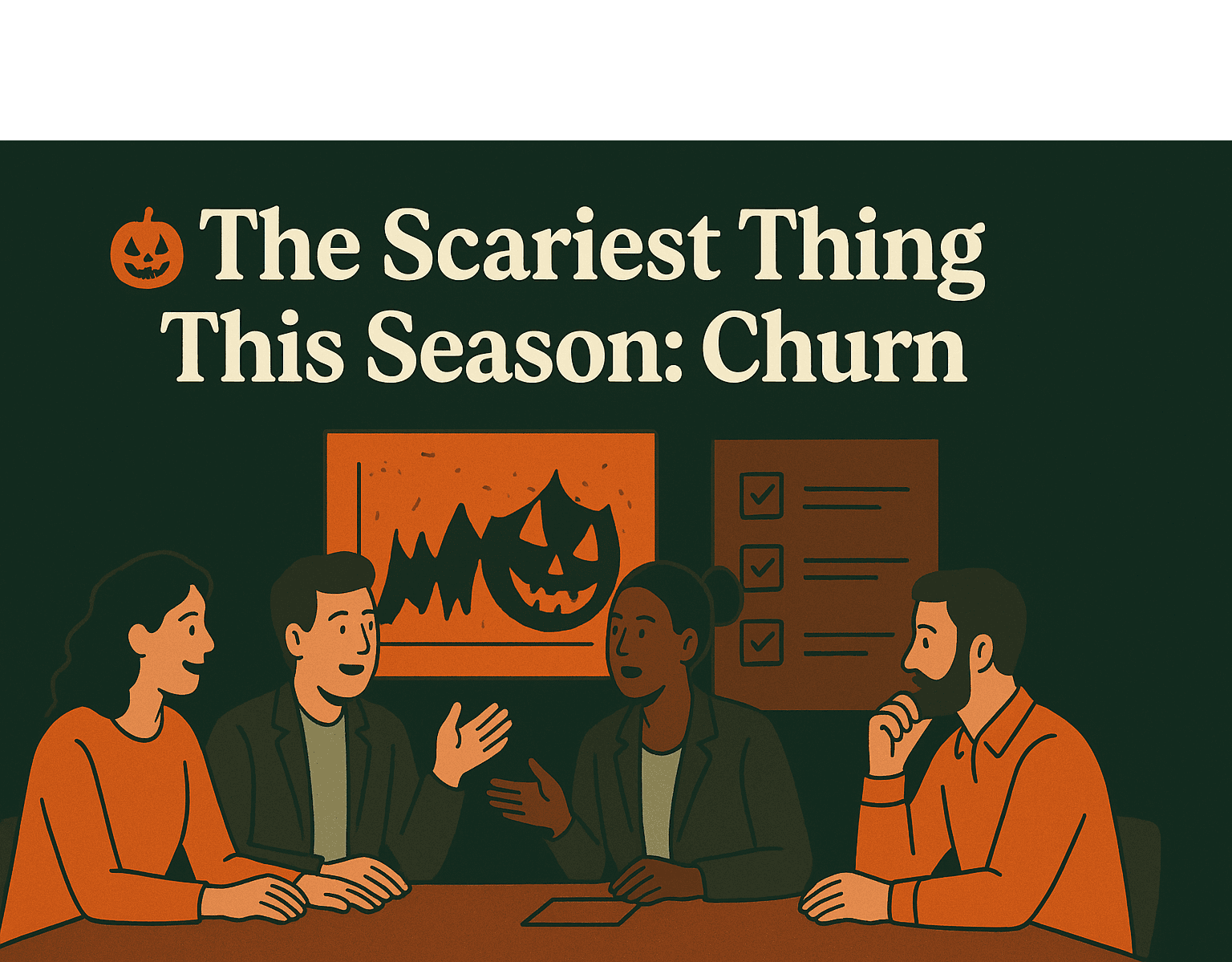
🎃 The Scariest Thing This Season: Churn
September 30, 2025·3 min read
 Linnea Olson
Don't let churn haunt your growth. For SaaS leaders, the key isn't fighting fires—it's building a system. Discover how to operationalize churn signals, from health scoring to CSM playbooks, and turn retention into your biggest revenue driver.
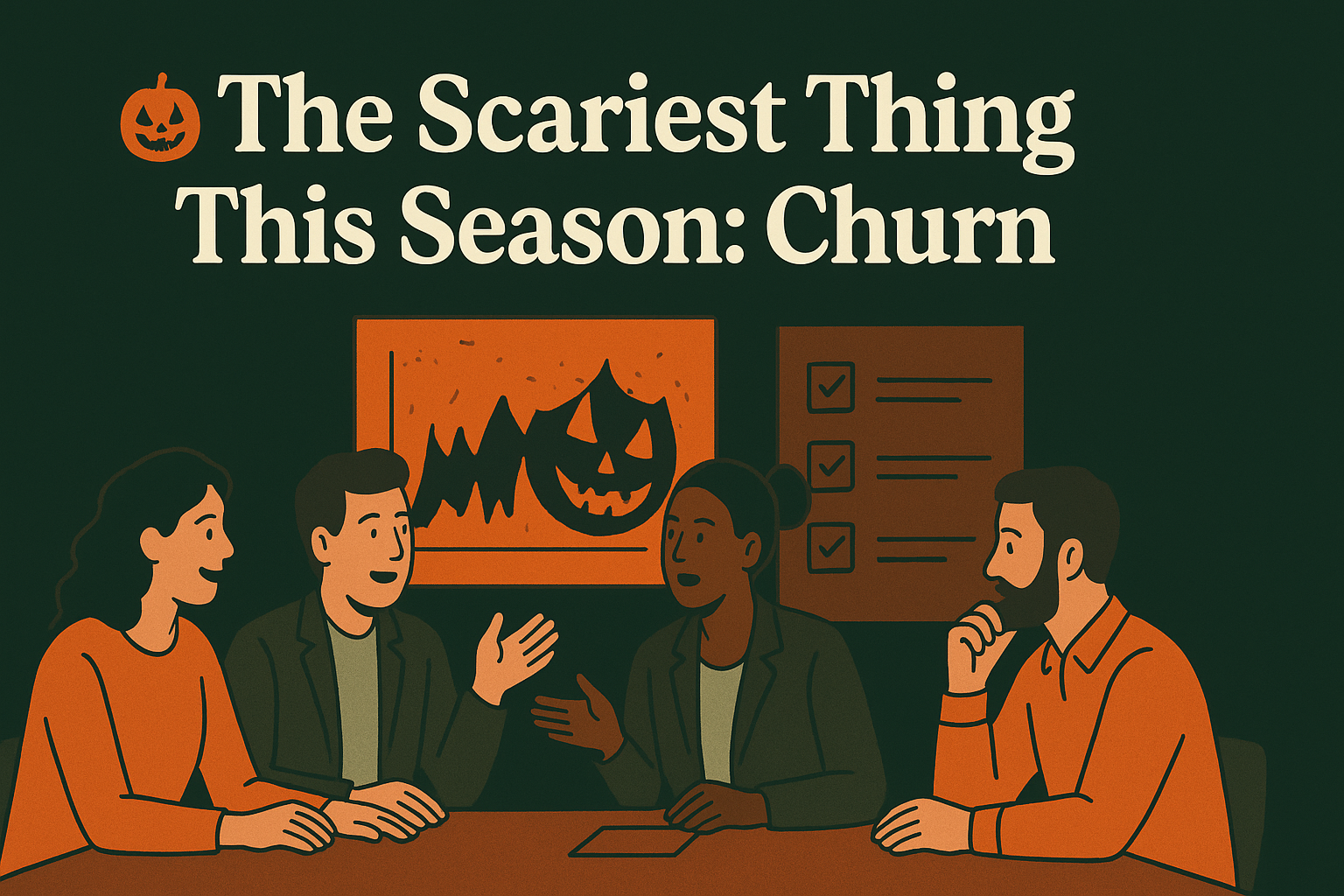
As Halloween is around the corner, let’s kick off spooky month with one of the scariest things in SaaS: churn.
It sneaks up when you’re least expecting it. Everything feels fine… until a renewal date arrives and suddenly your “happy” customer vanishes into the night. Boo. 👻
But here’s the good news: churn almost never comes out of nowhere. Customers leave breadcrumbs — little warning signs that, if you’re paying attention, tell you something’s off.
Catching those signs early gives you:
Time to course-correct before the renewal is lost
A chance to prove to customers you’re invested in their success
Protection of your recurring revenue without overspending on last-minute “save” tactics
Ignoring them? That’s like ignoring the “check engine” light in your car. The longer you put it off, the scarier (and more expensive) the fix becomes.
👻 The Big 5 Early Warning Signs for Churn
1. Low or Declining Product Usage
The most obvious — and the most critical. If customers aren’t logging in or adopting key features, they’re not finding value. And if they’re not finding value, renewal is at risk.
Signals: usage frequency dropping, adoption gaps, licenses sitting unused
What to do: set up health scores, automate adoption nudges, and equip your CSMs with tailored playbooks
2. Executive Sponsor Turnover
Ever had your champion leave mid-contract? Suddenly the deal feels shaky. That’s because your relationship was tied to one person.
Signals: org chart changes, your champion no longer showing up, decision-maker engagement shifting
What to do: map multiple relationships, build value cases that live beyond one sponsor, and trigger alerts when leadership changes
3. Support Friction
Support tickets aren’t inherently bad, but spikes in volume, slow resolutions, or negative sentiment can be red flags.
Signals: higher-than-normal ticket load, unresolved escalations, frustrated customer language
What to do: integrate support data into health scoring, follow up post-escalation, and use data to fix root issues
4. Contract Misalignment
Sometimes churn has less to do with your product and more with the deal structure. If the contract no longer matches the customer’s reality, risk rises.
Signals: budget cuts, scope creep, dragged-out contracting conversations
What to do: train your team to spot misalignment early, offer flexible packaging, and focus CSM goals on outcomes, not just renewals
5. Silent Accounts Silence can be the loudest signal of all. A customer who ghosts you isn’t likely seeing enough value.
Signals: skipped QBRs, unanswered emails, absence from community/webinars
What to do: vary outreach channels, send “value snapshots” to highlight ROI, and create light-touch programs to re-engage
🕸️ How to Operationalize Churn Signals
Spotting signals is step one. Acting on them — consistently — is where retention strategy gets real.
Health Scoring: blend usage, support, sentiment, and relationship data
Playbooks: standardize responses for usage dips, exec turnover, etc.
Automation + Human Touch: automate alerts but keep real CSM outreach for high-risk accounts
Regular Reviews: assess churn risk monthly, not just at renewal time
☠️ Founder Pitfalls to Avoid
Waiting until renewal time to think about churn
Over-focusing on NPS while ignoring usage
Treating every warning sign as equal (a missed email ≠ declining adoption)
Not empowering CSMs with authority or playbooks to act on risk
🎃 Final Thought
Churn isn’t random. Customers leave clues in their usage, support patterns, and silence. The companies that win are the ones that build muscle to spot the signals early, take action fast, and treat retention with the same urgency as acquisition.
Remember: every renewal saved is just as valuable — if not more — than a new logo. Build your early-warning system now, and you won’t just reduce churn… you’ll create customers who stay, grow, and advocate.
Now that’s less spooky, isn’t it?