
CS Leadership & Team Building
CS OperationsRetention & Churn
The Unsung Heroes You Don't Miss Until They're Gone: CS Ops and the Finance Team Who Know Where Everything Lives
July 21, 2026·4 min read
A recent acquisition cost a company its finance team, and within weeks renewal quotes, billing questions, and churn reporting all started breaking. This piece looks at why the relationship between CS Ops and finance is more load-bearing than most orgs realize: the judgment finance analysts carry that never makes it into a system, what actually breaks when they leave, and what to document, build, and ask before you find out the hard way.
I watched this happen recently, and it's been sitting with me ever since.
A company I know well got acquired. On paper, it was a clean deal, the kind of thing that gets a press release and a LinkedIn announcement with a lot of exclamation points. But underneath it, a small finance team, the kind that does far more than “finance" ever really covers, got let go.
Their work was "absorbed" into the parent company's finance functions. That's the word that got used. Absorbed.
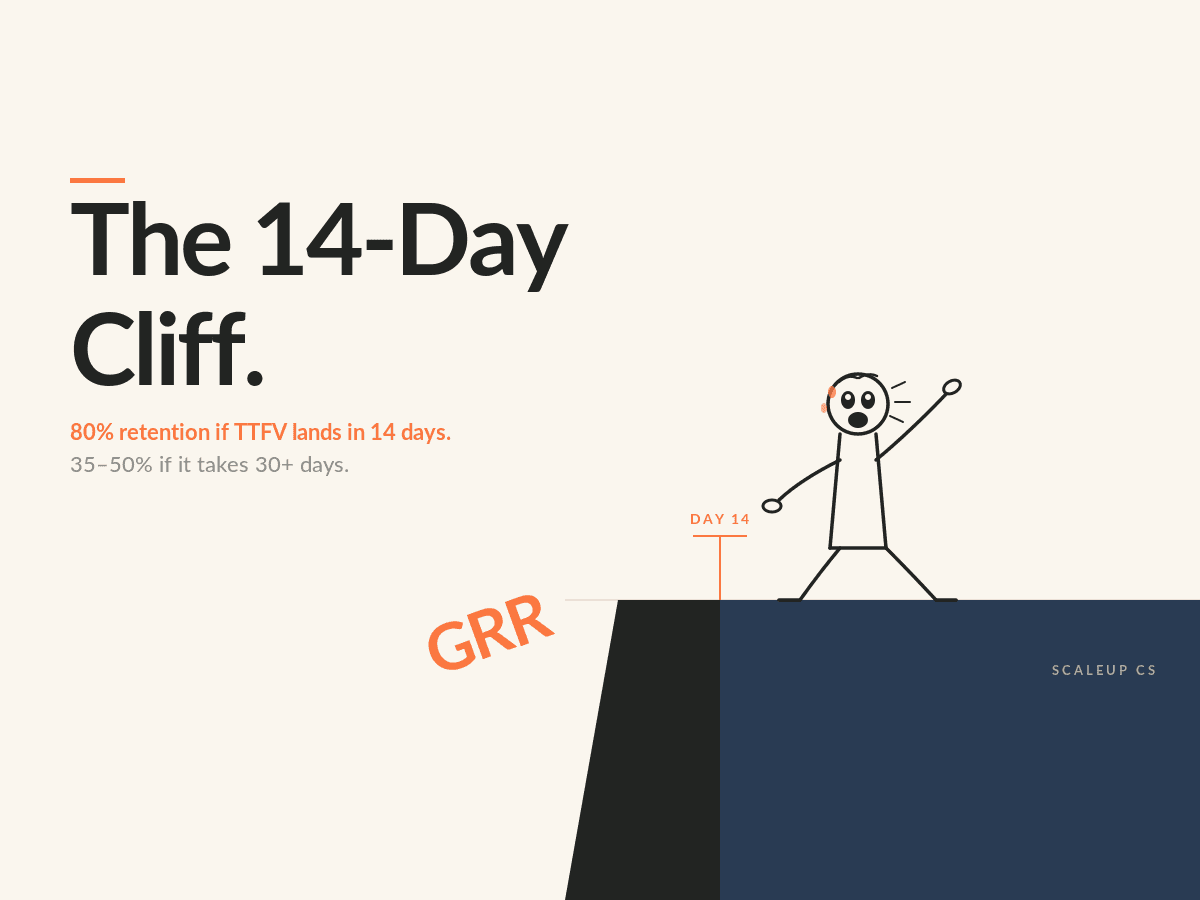
Within weeks, renewal quotes started coming out wrong if they came out at all. Billing questions that used to get answered in minutes were sitting for days. Churn reporting, the numbers leadership uses to make real decisions, started showing gaps nobody could explain.
Let's start with the people who got hurt first: a talented team lost their jobs so a parent company could check a synergy box on a slide. That's its own kind of gutting, and it deserves to be said plainly instead of buried under a euphemism like “absorbed."
But others were also impacted in this outside of the small finance team that was let go. It was the CS team, fielding the confused customer calls. And it was the customers themselves, waiting on quotes and invoices that used to just work.
The People Who Know Where Every Skeleton Is Buried
Here's the thing about a good finance team embedded near CS: they are never just finance. They're the ones who know why that one enterprise account has a custom billing cycle from a deal negotiated three years ago. They know which renewal formula actually reflects the contract versus which one is technically wrong but everyone's used to. They know that the churn number in the board deck doesn't match the churn number in the CS dashboard, and they know exactly why because they built the reconciliation themselves, in a spreadsheet, in a custom query that nobody else has ever opened.
None of that lives in just a system. It lives in a person.
CS Ops leaders spend a lot of time thinking about CSM capacity, tech stack integrations, and health scores. We don't spend nearly enough time thinking about the analyst three departments over who is quietly the reason renewal quotes go out correctly. Until they're gone, and you find out how much of your "process" was actually their judgment and support.
What Actually Breaks When They Leave
Renewal quotes stop reflecting reality. The formula in the system doesn't account for the mid-term downgrade from 18 months ago, or the one-time credit that was never fully applied. The analyst who remembered that is gone. The quote goes out wrong, the customer flags it, and now CS is doing finance's job on top of their own with no context and no authority to fix it.
Billing questions have no fast path to an answer. A parent company's centralized finance team doesn't know your customer base. They know their own. Every question that used to get answered in a Slack thread now goes into a ticket queue with a different company's SLAs, and CS is stuck relaying "I don't know, let me check" to a customer who's already frustrated.
Churn reporting loses its integrity. Churn definitions are never as standardized as people think. Voluntary versus involuntary, contraction versus true churn, the handling of pauses and downgrades. Someone was making judgment calls on that data every month. When they're gone, the number still gets produced, but nobody can vouch for what it actually means anymore. And a churn number leadership can't trust is worse than no churn number at all.
Every one of these lands on the customer-facing team first, because CS is the person engaging. Customers don't call the parent company's finance department. They call their CSM.
Why This Is a CS Ops Problem, Not Just a Finance Problem
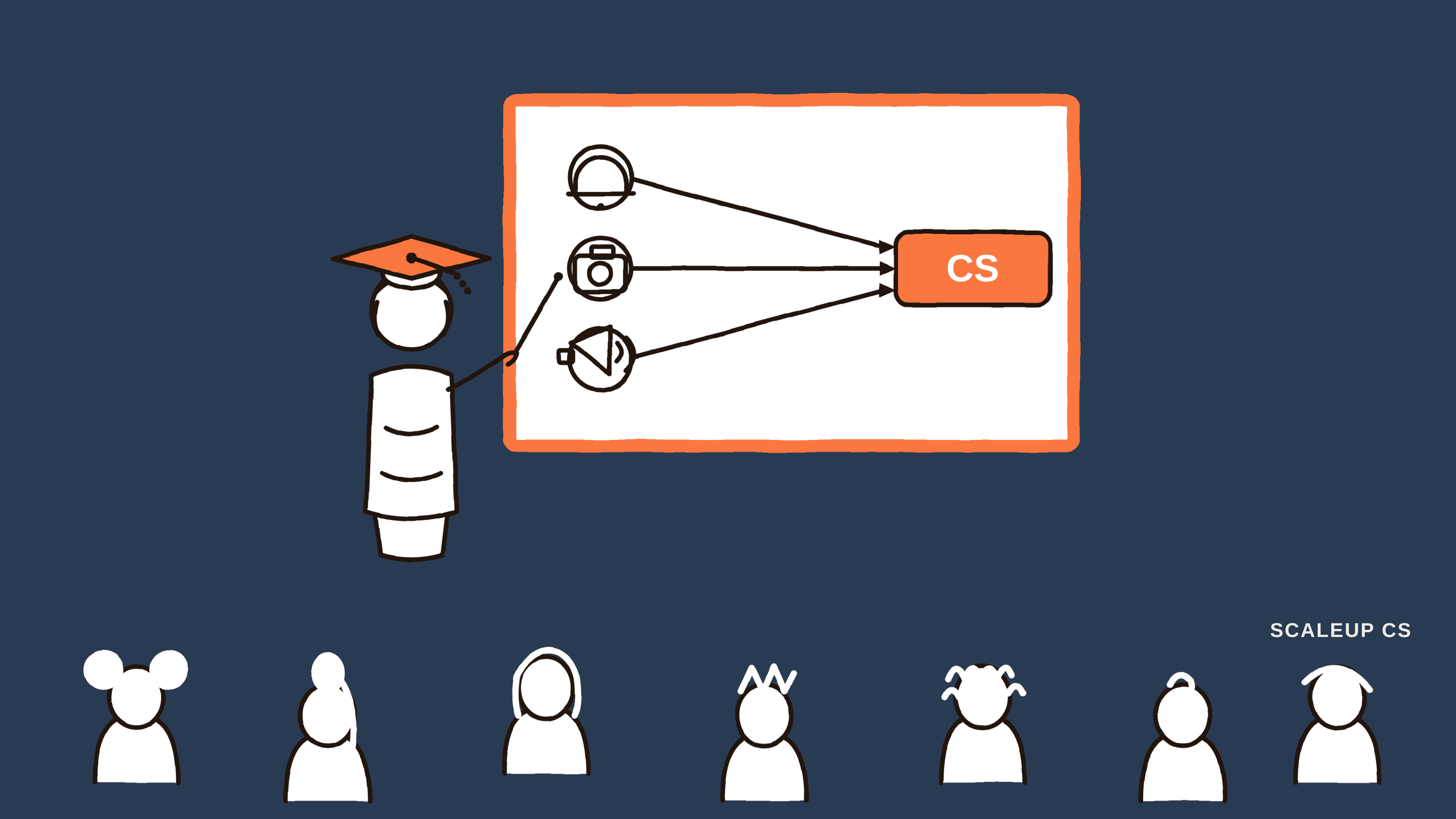
CS Ops exists to make sure the operational plumbing behind the customer relationship actually works the data, the workflows, the systems of record. Finance analysts who touch renewals, billing, and revenue reporting are part of that plumbing whether or not they sit in your org chart. Treating them as someone else's headcount is how this kind of gap happens.
A few things worth doing before you're the one absorbed into someone else's finance function:
Document the judgment, not just the process. Renewal formulas, churn definitions, billing exceptions write down not just what the system does, but why it does it and which accounts are the exceptions. If that knowledge only exists in one person's head, you don't have a process. You have a dependency.
Build the relationship before you need it. The best CS Ops leaders treat their finance analyst counterparts like an extension of the team invited to the same syncs, looped into the same account reviews, not a ticket queue you file requests into.
Ask who actually knows, not just who's listed. Every org has a person like this, and they rarely have a title that reflects it. Find them. Make sure their knowledge is written down somewhere durable before an acquisition, a reorg, or a resignation makes the question academic.
Final Thought
Acquisitions are going to keep happening. Teams are going to keep getting "absorbed." That part isn't fully in CS Ops' control. What is in our control is whether the knowledge that made renewals, billing, and churn reporting work actually survives the people who built it.
The analysts who know where everything lives don't usually get a shoutout in the all-hands. They should. Because when they're gone, everyone finds out, customers included, exactly how much they were carrying.
ScaleUp CS helps growth-stage SaaS companies build the operational infrastructure and the cross-functional relationships that keep renewals, billing, and reporting standing even when the org chart changes. If you want to pressure-test what's actually documented versus what's living in someone's head, get in touch.